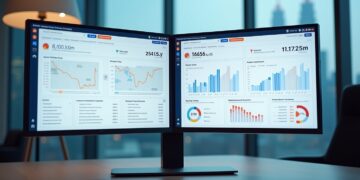
AI marketing trends Malaysia businesses should watch in 2026 include stronger use of predictive analysis, smarter ad optimisation, AI-assisted content workflows, better customer segmentation, and more careful governance around quality, privacy and brand trust. The biggest winners will not be the brands using the most tools, but the ones using them with clear strategy, human review and local market understanding.
Malaysian businesses are no longer asking whether AI belongs in marketing. The real question is how to use it well. As AI marketing trends Malaysia continue to evolve, many brands are experimenting with content generation, campaign automation, social media planning, chat-based support and data analysis. Yet adoption alone is not a competitive advantage. Poor prompts, weak oversight, generic messaging and over-automation often create more noise than results.
For 2026, the smarter approach is practical and disciplined. Marketers need to understand which trends matter, which mistakes to avoid and what best practices will actually improve performance in the Malaysian market.
Quick answer: In Malaysia, the most important AI marketing trends for 2026 are content workflow automation, audience personalisation, predictive campaign decisions, AI-supported SEO, creative testing for ads and stricter quality control. Brands should avoid relying on automation alone and instead combine AI tools with human strategy, local insights and strong editorial standards.
Definition: AI marketing trends refer to the changing ways businesses use artificial intelligence to improve marketing tasks such as content creation, campaign targeting, customer engagement, analytics and optimisation. In Malaysia, these trends are shaped by local language needs, platform behaviour, privacy expectations and budget-conscious digital adoption.
Why do AI marketing trends matter for Malaysian businesses in 2026?
Malaysia’s digital landscape is highly competitive. Businesses across retail, education, finance, healthcare, property and services are fighting for attention on search engines, social platforms and messaging apps. AI can help teams move faster, spot patterns earlier and scale repetitive work. However, faster output does not automatically mean better marketing.
What matters in 2026 is whether AI helps your business:
- Understand audience intent more clearly
- Produce useful content more efficiently
- Improve ad targeting and budget allocation
- Respond to customers faster without losing trust
- Make decisions based on signals, not guesswork
For smaller Malaysian businesses, AI can also reduce pressure on lean teams. A local SME may not have a large content, SEO or paid media department. With the right systems, one team can plan campaigns, draft assets, analyse performance and improve execution more consistently.
What are the top AI marketing trends Malaysia businesses should expect in 2026?
1. AI-assisted content workflows will become standard
In 2026, more marketing teams will use AI across the full content process, not just the first draft. This includes topic ideation, content briefs, headline testing, on-page optimisation, repurposing and editorial planning.
The important shift is workflow maturity. Instead of asking a tool to create an article from scratch and publishing it immediately, better teams build review steps into the process. They check facts, improve tone, localise examples and align pages with search intent.
If you want to build a stronger process, read AI Content Workflow Malaysia: From Idea to WordPress.
2. AI-supported SEO will focus more on intent and topical depth
SEO in 2026 will reward clearer intent matching, structured content and better user value. AI tools can help identify gaps, cluster topics, refine metadata and analyse ranking opportunities, but they cannot replace strategic judgement.
For example, a Malaysian business targeting bilingual or region-specific audiences needs more than keyword suggestions. It needs pages that reflect how local users actually search, compare and decide.
Businesses reviewing platforms and features should also explore Best AI Tools for SEO Malaysia to understand where SEO automation helps most.
3. Better audience segmentation will improve personalisation
One of the most useful trends is AI-driven segmentation. Rather than grouping users only by age or location, marketers can analyse behaviour, interaction patterns and buying intent. This supports stronger personalisation in email, landing pages, remarketing and content recommendations.
In Malaysia, this can be especially useful for brands targeting different states, languages or customer maturity levels. A first-time buyer in Johor may need different messaging from a repeat customer in Kuala Lumpur. AI helps identify those signals earlier, but marketers still need to shape the message carefully.
4. Predictive insights will influence budget decisions
Another major trend is the use of predictive analysis to guide marketing decisions. Tools can highlight which channels are likely to perform better, which customer groups show stronger conversion signals and which campaigns may require adjustment before performance drops further.
This does not mean prediction is perfect. It means marketers can use patterns to make more informed choices. In practice, this could help a Malaysian e-commerce brand shift ad spend towards stronger audience segments during a seasonal campaign, or help a B2B company prioritise content topics with growing demand.
5. AI for ads optimisation will become more creative and iterative
Paid media teams are moving beyond automated bidding alone. In 2026, AI will be more deeply involved in testing creative combinations, analysing audience response and identifying underperforming ad variables faster.
That is useful, but one common mistake is letting platforms optimise around weak inputs. If the offer is unclear, the creative is generic or the landing page is poor, automation simply scales inefficiency.
For a practical view of this area, see AI for Ads Optimisation: How Businesses Can Improve Campaigns.
6. Social media planning will become more data-led
AI can help marketers identify posting patterns, content themes, engagement cues and repurposing opportunities. It can also speed up caption ideation, response suggestions and campaign planning.
Still, Malaysian audiences tend to respond best to content that feels relevant, timely and culturally aware. Scheduled volume is not the same as meaningful engagement. The brands that do well will blend planning efficiency with human creativity and community awareness.
7. Quality control and brand safety will become bigger priorities
As more brands adopt AI, the gap between average and excellent execution will widen. Generic content, factual errors, repetitive phrasing and tone inconsistency can weaken trust quickly. In regulated or sensitive industries, the risks are even higher.
That is why governance is now part of the trend story. Businesses need editorial standards, approval workflows and clear rules on who checks what before assets go live.
What common mistakes should businesses avoid?
Many brands are excited about AI, but excitement can lead to shortcuts. Here are the most common mistakes seen across digital marketing teams.
Using AI without a clear strategy
Some businesses adopt tools because competitors are doing so. They generate content, social posts or reports, but have no clear objective. Without a strategy, AI becomes a productivity layer on top of weak planning.
Before using any tool, clarify:
- What task it should improve
- How success will be measured
- Who is responsible for review
- Whether the output supports business goals
Publishing generic content too quickly
A fast draft is not the same as a publish-ready asset. One of the biggest mistakes is treating raw output as finished work. This often leads to pages that sound polished but say very little.
For search visibility and trust, content must be helpful, structured and specific. Malaysian examples, local terminology and real customer concerns make a significant difference.
Ignoring local context
AI-generated messaging often defaults to broad international phrasing. That can be a problem if your audience expects local language cues, platform habits or business realities to be reflected.
For example, a campaign targeting SMEs in Penang may need a different tone and offer framing from one aimed at enterprise buyers in Klang Valley. Localisation remains a human responsibility.
Automating channels that need human sensitivity
Chat support, social replies and lead nurturing can benefit from automation, but not every interaction should be automated. If a customer issue is urgent, emotional or complex, scripted replies can damage the relationship.
Good practice means using AI to support response speed while keeping clear escalation paths for human intervention.
Failing to review facts, claims and compliance risks
Accuracy matters. This is particularly important for sectors such as healthcare, finance, education and legal services. If AI-assisted content includes misleading claims or unclear wording, the business takes the reputational risk.
Every team should have a review process for factual accuracy, brand voice and legal sensitivity.
How can businesses apply these trends effectively?
The best use of AI in marketing is not random experimentation. It is structured adoption. The following practices help businesses turn trends into results.
Start with one workflow, not ten tools
Choose a high-impact process first. That may be SEO content production, paid ad testing, email segmentation or social media planning. Improve one workflow, document it, then expand gradually.
This reduces waste and helps the team learn what works before investing more broadly.
Build human review into every important output
Human oversight is essential for quality, brand fit and strategic judgement. Review should cover:
- Search intent alignment
- Factual accuracy
- Local relevance
- Tone of voice
- Conversion clarity
This is especially important for businesses publishing educational articles, landing pages and public-facing campaign assets.
Create prompt and brand guidelines
One overlooked best practice is internal documentation. Teams should not rely on guesswork every time they use a tool. Build guidelines covering preferred tone, banned claims, terminology, audience segments and formatting standards.
This improves consistency, especially when several team members contribute to the same workflow.
Measure outcomes, not output volume
Producing more content or more ad variations does not guarantee better performance. Track meaningful outcomes such as rankings, engagement quality, lead quality, conversion rates and content usefulness.
If your AI-assisted workflow is increasing output but not improving results, the process needs refinement.
Which AI marketing trend should different business types prioritise?
| Business type | Most useful AI trend | Why it matters | Best first step |
|---|---|---|---|
| SMEs | Content workflow automation | Helps lean teams produce consistent content | Standardise briefs, drafts and review steps |
| E-commerce brands | Audience segmentation and ad optimisation | Improves targeting and creative performance | Test audience clusters and campaign variations |
| B2B service companies | SEO and lead nurturing support | Builds authority and long-term demand | Create intent-based topic clusters |
| Agencies | Reporting and workflow efficiency | Saves time across multiple client accounts | Automate repetitive research and reporting tasks |
| Local service providers | Personalised content and response support | Strengthens trust and enquiry handling | Improve web content and message triage |
What does a practical 2026 AI marketing plan look like?
A realistic plan does not need to be complicated. It needs to be focused.
- Audit current marketing tasks. Identify repetitive, time-heavy processes.
- Prioritise one business goal. For example, improve organic visibility or reduce ad waste.
- Choose suitable tools carefully. Match features to actual needs.
- Define review standards. Set checks for quality, accuracy and tone.
- Launch a small pilot. Test on one workflow or campaign.
- Measure real performance. Compare results against previous manual processes.
- Refine and scale. Expand only after you can prove value.
If you are still building foundational knowledge, the parent guide on AI tools for digital marketing Malaysia offers a broader view of the tools shaping this space.
How should businesses think about trust in AI-driven marketing?
Trust will be one of the defining marketing advantages in 2026. Audiences are becoming better at spotting shallow content, over-automated communication and empty personalisation. Businesses that earn attention will be the ones that remain useful, accurate and relevant.
Trust comes from consistency. That means:
- Clear messaging
- Helpful content
- Responsible data handling
- Honest claims
- Thoughtful human oversight
AI can support all of this, but it cannot replace it.
Key takeaways
- AI marketing trends Malaysia businesses should prioritise in 2026 include SEO support, content workflows, segmentation, ad optimisation and predictive analysis.
- The biggest mistakes are over-automation, generic content, weak strategy and poor human review.
- Local context matters. Malaysian audiences respond better to relevant, specific and trustworthy messaging.
- Success comes from structured workflows, not random tool adoption.
- Human judgement remains essential for brand quality, compliance and conversion strategy.
Frequently asked questions
What is the most important AI marketing trend in Malaysia for 2026?
For many businesses, the most important trend is AI-assisted content and campaign workflow improvement. It saves time across planning, drafting, optimisation and analysis while allowing teams to focus more on strategy and quality.
Are AI marketing tools suitable for small Malaysian businesses?
Yes, provided they are used selectively. SMEs can benefit from tools that improve content planning, SEO research, ad testing and customer response handling. The key is to start with one clear use case instead of adopting too many tools at once.
Will AI replace human marketers?
No. It is better viewed as a support layer for research, automation and efficiency. Human marketers are still needed for strategy, brand positioning, creative judgement, local insight and quality control.
How can businesses avoid low-quality AI-generated content?
Use clear briefs, review every draft, add local examples, verify facts and edit for tone and structure. AI should speed up production, not replace editorial standards.
Which teams benefit most from AI marketing adoption?
Content teams, SEO specialists, paid media teams, social media managers and small in-house marketing departments often see the fastest gains, especially when they spend significant time on repetitive tasks.
Conclusion
AI marketing in Malaysia is moving from experimentation to execution. In 2026, the real advantage will not come from chasing every new feature. It will come from using the right tools with clear objectives, steady oversight and strong local understanding. Businesses that avoid shortcuts, protect quality and apply AI to real marketing problems will be in a stronger position to grow sustainably.
If you want to keep building your understanding, the next useful step is to explore ChatGPT for Marketing Malaysia: Practical Use Cases and see how these trends translate into day-to-day marketing work for Malaysian businesses.