A social media content calendar Malaysia guide helps SMEs plan what to post, when to post and why each post matters. For Malaysian businesses, a simple calendar reduces last-minute posting, keeps branding consistent and makes it easier to tie social content to promotions, festive seasons, campaigns and business goals.
For SMEs, a social media content calendar Malaysia plan is a practical schedule that maps out content by date, platform, format, audience and objective. It helps business owners stay organised, post more consistently, match content to local events and measure what is working without wasting time or budget.
Many small businesses post only when they remember, when sales are slow or when a new product arrives. That usually leads to uneven results. One week may be packed with posts, while the next goes quiet. A proper calendar fixes that by giving your team a repeatable content process.
If you are just starting, this guide explains how to build a calendar that works for a Malaysian SME, whether you run a café in Petaling Jaya, a tuition centre in Johor Bahru, a clinic in Penang or a B2B service firm in Kuala Lumpur.
What is a social media content calendar?
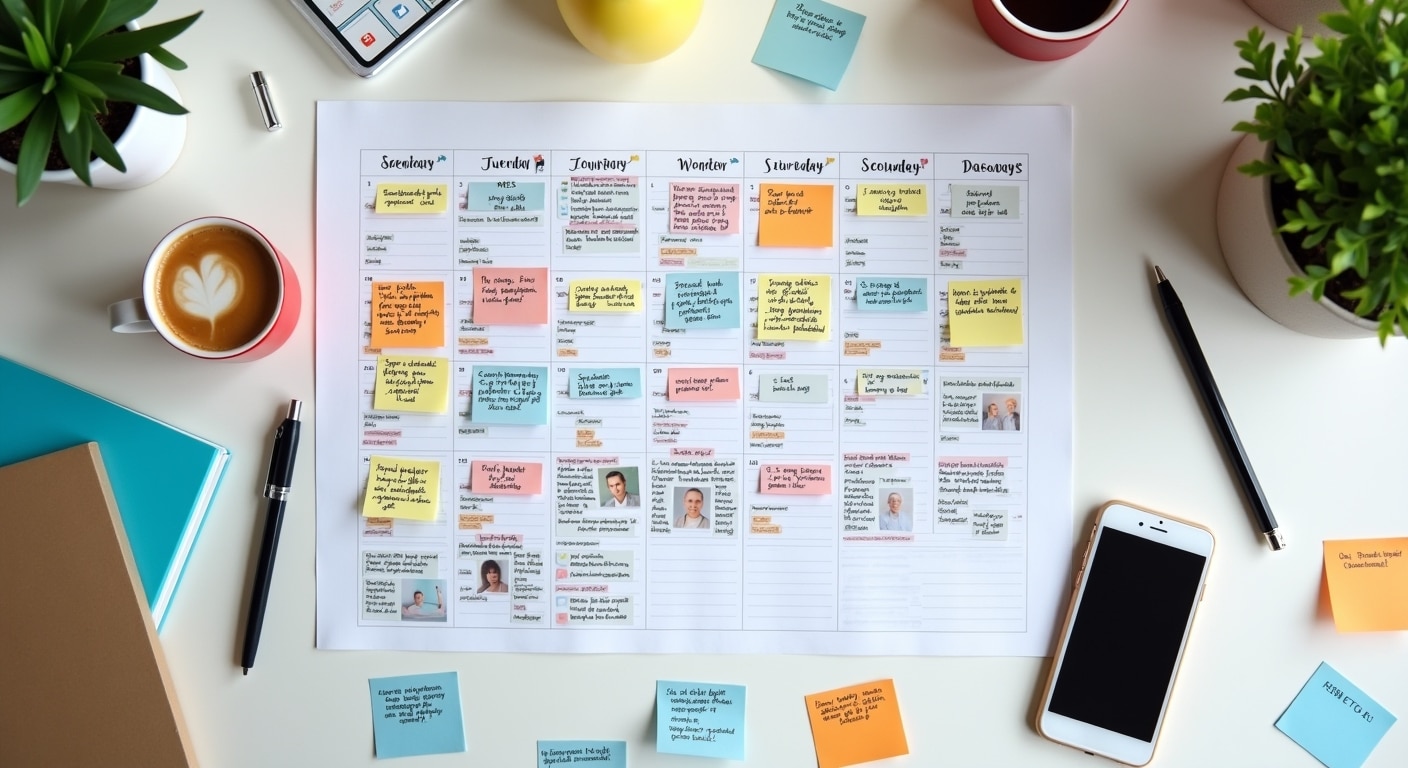
A social media content calendar is a planned schedule of upcoming posts across one or more platforms. It usually includes posting dates, content topics, captions, visuals, platform selection, goals and approval status. For SMEs, it acts as a simple planning tool that turns random posting into a structured marketing routine.
Why do Malaysian SMEs need a content calendar?
Most SMEs do not struggle because of a lack of ideas. They struggle because ideas are not organised. A content calendar solves that problem.
It also supports broader social media marketing Malaysia efforts by connecting daily content to long-term business goals.
It saves time
Batch planning a week or month of content is faster than deciding every day what to post. This is especially useful for small teams where the owner also handles operations, sales and customer service.
It improves consistency
Consistent posting helps your business stay visible. Customers are more likely to remember a brand that shows up regularly with useful or engaging content.
It supports local relevance
In Malaysia, content often performs better when it reflects local moments. A calendar lets you prepare early for Hari Raya, Chinese New Year, Deepavali, Merdeka, school holidays, year-end sales or state-based events.
It creates better content balance
Without a plan, many businesses post only promotions. A calendar helps you mix educational, entertaining, trust-building and sales-focused content in a healthier ratio.
It makes reporting easier
When posts are planned by objective, you can review which themes, formats and campaigns generate the most engagement, enquiries or traffic. For deeper tracking, pair your calendar with a proper Social Media Analytics Guide for Malaysian Businesses.
What should a social media content calendar include?
Your calendar does not need to be complicated. A spreadsheet is enough for many SMEs. The key is to include the right fields.
| Calendar Item | What It Includes | Why It Matters |
|---|---|---|
| Date | Posting day and time | Keeps your schedule organised |
| Platform | Facebook, Instagram, TikTok, LinkedIn and others | Ensures content matches the audience |
| Content topic | Theme or subject of the post | Prevents repetitive posting |
| Format | Image, video, carousel, story or reel | Helps with production planning |
| Caption | Main message and call to action | Keeps messaging clear |
| Goal | Awareness, engagement, leads or sales | Links content to business outcomes |
| Status | Draft, approved, scheduled or posted | Improves team coordination |
| Notes | Hashtags, links, offers or design notes | Reduces mistakes before publishing |
If your business has more than one decision-maker, add approval owner and deadline columns too.
How do you create a social media content calendar for an SME?
The easiest approach is to build a simple monthly framework first, then fill in weekly details.
1. Start with clear business goals
Decide what your content is supposed to achieve. Common SME goals include:
- Increasing local brand awareness
- Getting more WhatsApp enquiries
- Driving traffic to a website or landing page
- Promoting a new service or product
- Building trust with testimonials and educational content
When goals are clear, content becomes easier to plan.
2. Know your audience
Think about who you want to reach. A bakery targeting young families will plan very different content from a B2B accounting firm. Consider:
- Age group
- Location in Malaysia
- Language preferences
- Problems or needs
- Buying triggers
- Preferred platforms
If you need a broader framework first, review Social Media Strategy Malaysia: Step-by-Step Plan.
3. Choose your content pillars
Content pillars are repeatable themes you post about regularly. For SMEs, four to five pillars are usually enough.
Examples include:
- Educational tips
- Product or service highlights
- Customer testimonials
- Behind-the-scenes content
- Promotions and seasonal campaigns
- Community or team stories
These pillars stop your feed from becoming too sales-heavy.
4. Map out key dates in Malaysia
Plan around the local calendar. This is where many SMEs can gain an advantage by being timely and culturally relevant.
Dates to consider may include:
- Hari Raya Aidilfitri
- Chinese New Year
- Deepavali
- Merdeka Day
- Malaysia Day
- Back-to-school periods
- School holidays
- Year-end sales season
- State public holidays relevant to your audience
Do not force every occasion into your content. Pick the ones that make sense for your market.
5. Decide your posting frequency
You do not need to post every day to be effective. A realistic schedule is better than an ambitious one that collapses after two weeks.
For many SMEs, a manageable starting point is:
- Facebook: 3 to 4 posts per week
- Instagram: 3 to 5 posts per week
- TikTok: 2 to 4 short videos per week
- LinkedIn: 2 to 3 posts per week for B2B brands
The right schedule depends on your resources, audience and platform mix. Timing also matters, so it helps to review the Best Time to Post on Social Media in Malaysia.
6. Fill your calendar with balanced content
A simple way to structure the month is to mix post types intentionally. For example:
- 40% educational or helpful content
- 20% engagement content such as polls, questions or relatable posts
- 20% trust-building content such as reviews or case examples
- 20% promotional content
This keeps your audience interested while still supporting sales.
7. Create content in batches
Batching reduces stress. Set aside one day each week or month to write captions, design visuals and prepare videos. This gives you more breathing room and reduces rushed posting.
8. Schedule and review
Once posts are prepared, schedule them where possible. Then check performance weekly or monthly. Look for patterns in engagement, saves, clicks and enquiries.
What does a simple monthly content calendar look like?
You do not need expensive software to get started. A practical content calendar can look like this:
| Week | Theme | Example Post | Platform | Goal |
|---|---|---|---|---|
| Week 1 | Education | Tips related to your service | Facebook, Instagram | Awareness |
| Week 1 | Trust | Customer testimonial | Facebook, Instagram | Credibility |
| Week 2 | Behind the scenes | Meet the team or process video | Instagram, TikTok | Engagement |
| Week 2 | Promotion | Limited-time offer | Facebook, Instagram | Enquiries |
| Week 3 | Community | Local event participation | Facebook, Instagram | Brand visibility |
| Week 4 | FAQ content | Answer a common customer question | All relevant platforms | Consideration |
For more inspiration, you can also explore Social Media Content Ideas for Malaysian Businesses.
Which platforms should Malaysian SMEs plan for?
Not every business needs to focus on every platform. Choose based on where your audience spends time and what type of content your team can produce consistently.
Useful for local visibility, promotions, community engagement and broad reach. Many Malaysian SMEs still get strong results here, especially for retail, food, services and neighbourhood businesses.
Strong for visual branding, product showcases, lifestyle content and stories. It suits cafés, beauty brands, fashion businesses, clinics and lifestyle-based services.
TikTok
Effective for short, engaging videos and organic reach. SMEs that can create relatable, helpful or entertaining videos may benefit from reading TikTok Marketing Malaysia: How Businesses Get Attention.
Best for B2B services, recruitment, industry insights and professional credibility. If your SME serves other businesses, LinkedIn may deserve a place in your content calendar.
How far ahead should you plan?
For most SMEs, planning one month ahead is ideal. It is long enough to stay organised but short enough to remain flexible.
A useful rhythm is:
- Monthly planning for campaigns, themes and key dates
- Weekly review for adjustments and trending opportunities
- Daily monitoring for comments, messages and urgent updates
This approach gives structure without making your content feel rigid.
Common content calendar mistakes SMEs should avoid
A content calendar helps only when it is practical and realistic. Watch out for these common mistakes:
- Planning too much content for a small team to produce
- Posting only promotional messages
- Ignoring local festive and seasonal moments
- Using the same message across all platforms without adapting it
- Failing to track what content performs best
- Leaving no room for timely or reactive posts
- Creating a calendar once and never updating it
Many of these issues are covered in Social Media Mistakes Malaysian Businesses Should Avoid.
How can SMEs keep a content calendar sustainable?
The best calendar is one your team can actually maintain. Simplicity usually wins.
Use repeatable formats
If a type of post works well, turn it into a recurring series. For example, every Monday could be a tip, every Wednesday a testimonial and every Friday a promotional post.
Repurpose strong content
One idea can often become several posts. A customer question can become a carousel, a short video, a caption post and a story poll.
Assign responsibilities
Even in a small team, decide who writes captions, who prepares visuals and who approves posts. Clear roles help avoid delays.
Leave room for agility
Do not fill 100% of the calendar. Keep a few open slots for trends, urgent updates, customer moments or timely business announcements.
How do you measure whether your content calendar is working?
A calendar is not just about staying organised. It must support better marketing outcomes.
Track metrics that match your goals, such as:
- Reach and impressions for awareness
- Comments, shares and saves for engagement
- Link clicks for traffic
- Direct messages and WhatsApp enquiries for lead generation
- Conversions or bookings for sales-focused campaigns
After one to three months, review which themes and formats perform best. You may find that short videos generate visibility, while testimonials produce more enquiries. That insight should shape the next version of your content calendar.
Key takeaways
- A social media content calendar helps Malaysian SMEs post consistently and with purpose.
- It should include dates, platforms, topics, formats, captions, goals and status.
- Monthly planning with weekly adjustments is usually the most practical approach.
- Content should balance education, engagement, trust-building and promotion.
- Local events, festive seasons and customer behaviour in Malaysia should influence your schedule.
- A good calendar is realistic, measurable and easy for your team to maintain.
Frequently asked questions
How often should an SME post on social media in Malaysia?
There is no single rule, but most SMEs should start with a consistent schedule they can maintain. Three to five quality posts per week on key platforms is often more effective than posting daily without a clear plan.
Can I use one content calendar for all social media platforms?
Yes, but the content should still be adapted for each platform. The main topic can stay the same while captions, visuals and format change to suit Facebook, Instagram, TikTok or LinkedIn.
What is the best tool for a social media content calendar?
For many SMEs, a simple spreadsheet works well. As your content becomes more complex, you may prefer project management or scheduling tools. The best option is the one your team can use consistently.
How far in advance should I prepare social media content?
Planning one month ahead is a good starting point. Then review weekly to adjust based on trends, customer responses and business priorities.
Should every post be promotional?
No. If every post sells, audiences often lose interest. A healthier mix includes tips, answers to common questions, behind-the-scenes content, testimonials and occasional offers.
Conclusion
A well-built social media content calendar gives SMEs more control over their marketing. Instead of posting randomly, your business can communicate consistently, plan around Malaysian events, balance different content types and improve results over time. The goal is not to create a perfect calendar. It is to create a useful one that supports your team, your audience and your business objectives.
If you want to build on this foundation, the next best step is to read Social Media Strategy Malaysia: Step-by-Step Plan so you can turn your content calendar into a broader, goal-driven system for long-term growth.